Walker Evans
1903 – 1975
The photographer who defined the documentary style of American life
Walker Evans was born on November 3, 1903, in St. Louis, Missouri, into a comfortable middle-class family; his father worked in advertising. He was educated at a series of preparatory schools, including Phillips Academy in Andover, Massachusetts, and spent a single year at Williams College before dropping out. In 1926 he traveled to Paris, where he audited courses at the Sorbonne and absorbed the literary modernism of writers such as Flaubert and Baudelaire—an influence he would later credit for his precise, unsentimental eye.
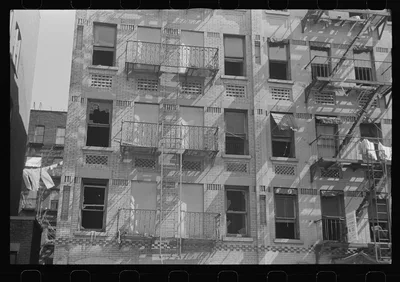
Returning to New York, Evans took up photography around 1928 while working a clerical job for a Wall Street brokerage. His early images of the city, including studies of the Brooklyn Bridge, brought him into the orbit of the poet Hart Crane, who reproduced three of his photographs in the 1930 edition of his book-length poem "The Bridge." With support from the impresario Lincoln Kirstein, Evans photographed Victorian houses around Boston in 1931, beginning a lifelong fascination with American vernacular architecture.
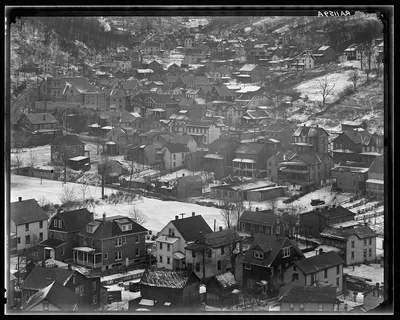
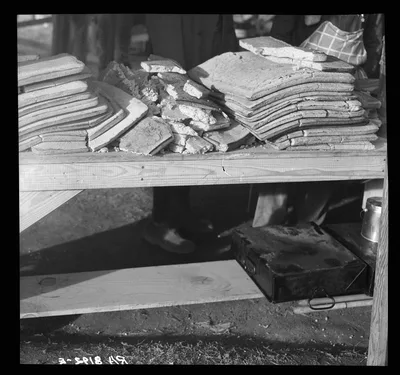
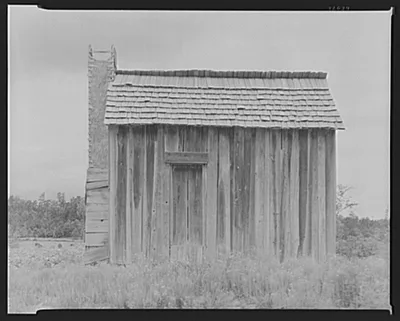
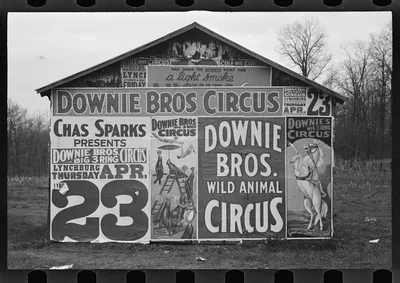
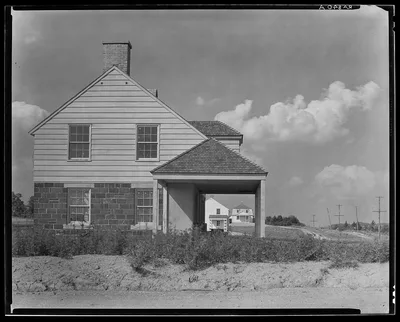
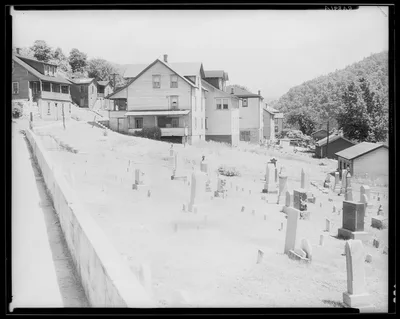
In 1933 Evans traveled to Cuba to make photographs for Carleton Beals's book "The Crime of Cuba," documenting street life, dockworkers, and political unrest. Two years later, in 1935, he joined the federal photographic project that would define his reputation. Working first for the Resettlement Administration and then the Farm Security Administration (FSA) under Roy Stryker, Evans photographed the rural South, recording small-town storefronts, churches, sharecroppers, and roadside architecture with a cool, frontal clarity that distinguished his work from that of his colleagues.
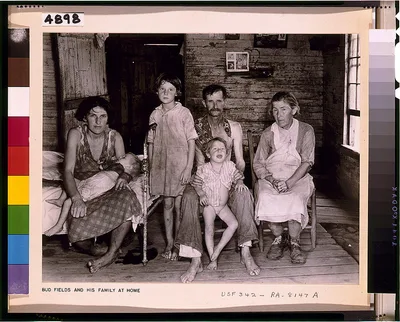
In the summer of 1936, on leave from the FSA and on assignment for Fortune magazine, Evans traveled to Hale County, Alabama, with the writer James Agee to document three white tenant-farmer families. Fortune declined to publish the story, but it appeared in 1941 as the landmark book "Let Us Now Praise Famous Men," pairing Agee's anguished prose with Evans's restrained, dignified portraits—among them his famous image of Allie Mae Burroughs.
In 1938 the Museum of Modern Art mounted "Walker Evans: American Photographs," the first exhibition the museum had ever devoted to a single photographer, accompanied by a catalogue with an essay by Lincoln Kirstein. That same year Evans began a secret project, photographing passengers on the New York City subway with a camera hidden beneath his coat; the images were published decades later, in 1966, as "Many Are Called."
From 1945 to 1965 Evans worked as a writer and editor at Fortune magazine, where he produced numerous photographic essays and exercised unusual control over his own portfolios. He received Guggenheim Fellowships and, in 1965, joined the faculty of the Yale University School of Art as a professor of photography, mentoring a younger generation of artists. In his final years he experimented with the Polaroid SX-70 instant camera. Walker Evans died of a stroke on April 10, 1975, in New Haven, Connecticut, at the age of seventy-one.
A Career in Images
"Stare. It is the way to educate your eye, and more. Stare, pry, listen, eavesdrop. Die knowing something. You are not here long."
— Walker Evans